


Experience and Discover the Grog
Santo Antão
Cape Verde
Santo Antão is known for the production of various agricultural, horticultural, and livestock products, due to the characteristics of its climate and the fertility of its land. Grogue is one of the most famous drinks in Cape Verde, for its high alcohol content and flavor, which you can try during your visit to Santo Antão.
By Cape Verde Travel Guide
What is Grog?
Grog is a traditional Cape Verdean alcoholic beverage that derives from the fermentation of liquid from sugar cane. It turns out to be the Cape Verdean equivalent of aguardente or cachaça.
In Cape Verde a great part of this drink is produced in an artisanal way, in stills, and it serves as the basis for the production of punch, another of the drinks appreciated in the island of Santo Antão, which mixes grog with various flavors of other fruits, being poncha a much softer drink.
Currently the government has been making efforts to regulate the production of Grogue in order to guarantee its quality and safety. There is also a Grogue Brotherhood in Santo Antão (CONGROGUE) that seeks to guarantee the production quality of this drink.
Discover the Grog – Production, tasting and purchase
Whether it is on your way up the Paúl Valley, a stroll through Porto Novo to visit the statue of the Cape Verdian woman, or a visit to the wonderful Fontaínhas Village, there is something common to all these places: you can taste a local grog.
The production of grog begins when the cane is harvested, when it has flower and is ready to be picked. The canes are then destroyed in a machine, and a liquid is produced that is cane sugar.
This sugar cane nectar is stored in barrels and is mixed with water – dosing being key to ensure the right dilution.
It is then brought to a boil in a still, to ferment, and this beverage is produced, which is later bottled and distributed.
In some places in Santo Antão you can see the artisanal process of grog production, and taste this drink. For adults only.
You can also buy some bottles to take with you, while helping the local economy.
How is grog produced?
The production of this brandy begins with the harvesting of the cane, when it has flower and is ready to be picked. The canes are then destroyed in a machine, and a liquid is produced, which is cane sugar.
This sugar cane nectar is stored in barrels and is mixed with water – dosing being key to ensure the right dilution.
It is then brought to a boil in a still to ferment, and Grogue is produced, which is subsequently bottled and distributed.
In some places in Santo Antão you can see the artisanal process of grog production, and taste this drink. For adults only.
You can also buy some bottles of Grogue to take with you, while helping the local economy.
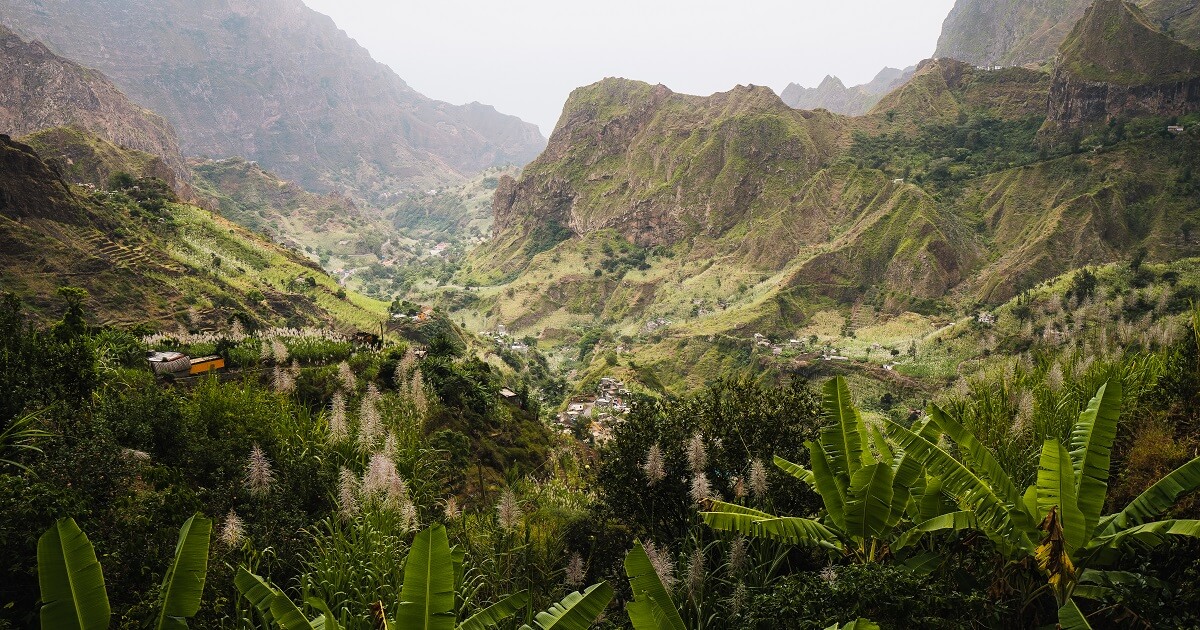

The production of grog begins when the cane is harvested, when it has flower and is ready to be picked. The canes are then destroyed in a machine, and a liquid is produced that is cane sugar.
This sugar cane nectar is stored in barrels and is mixed with water – dosing being key to ensure the right dilution.
It is then brought to a boil in a still to ferment, and grog is produced, which is later bottled and distributed.
In some places in Santo Antão you can see the artisanal process of this production, and taste this drink. For adults only.
You can also buy some bottles of Grogue to take with you, while helping the local economy.
Where to find the Grog
Features
Grogo, as they say in Cape Verde, comes from sugar cane and a manual process.



Discover the Islands
What is your next destination?





Morabeza and Culture
Our blog
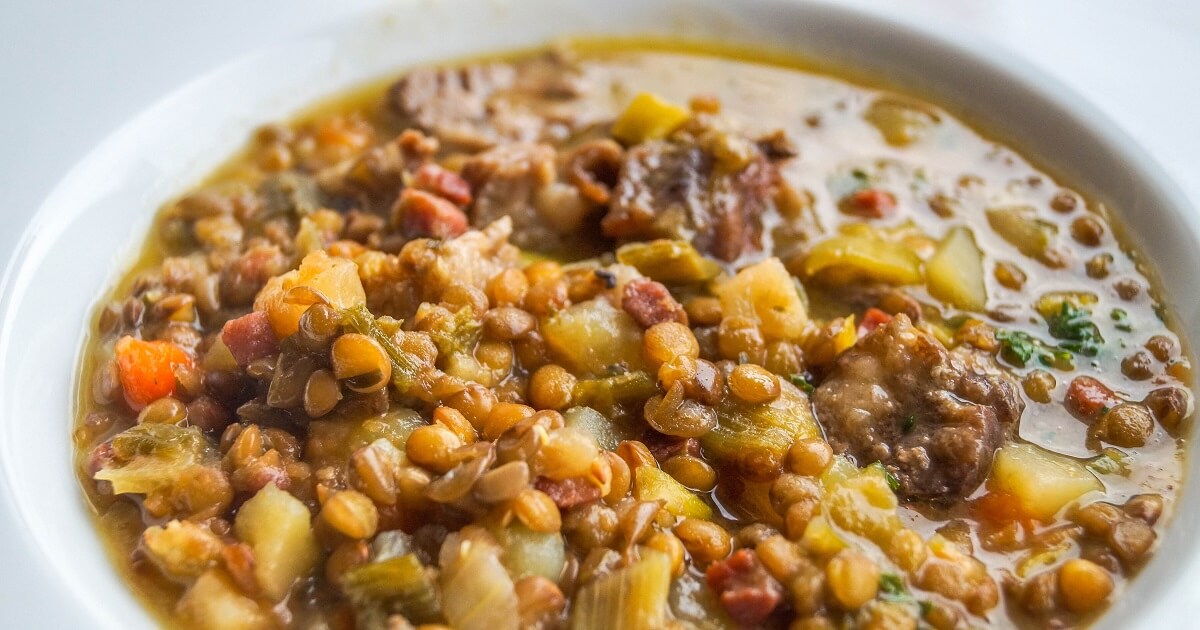
Cachupa: The taste of Cape Verde


Traveling Vegetarian or Vegan in Cape Verde
